Papillon Card Templates: 3D SVG Shapes for Branding
As a brand designer who has spent years refining visual identities for local businesses, I approach every new graphic design asset with a critical eye. It is not enough for a file to look pretty on a screen; it must hold up under the scrutiny of print production, scale down for tiny product labels, and elevate the perceived value of a handmade item. Recently, I evaluated the Papillon Card Templates for a potential project involving a boutique skincare line that needed to transition from farmers' market sales to shelf-ready retail packaging. My goal was to determine if these Shapes could serve as the cornerstone of a cohesive brand identity or if they were merely decorative fluff.
Upon first inspection, the mood created by the Papillon Card Templates is distinctly elegant yet approachable. The intricate layering suggests a sense of craftsmanship that aligns perfectly with handmade business narratives. Unlike generic clipart that often feels flat and impersonal, these designs possess a depth that implies premium quality. For a local business owner, whether running a bakery, a florist, or a candle brand, this aesthetic communicates care and attention to detail before the customer even touches the product. The style leans towards the feminine and decorative, making it an ideal fit for boutiques, wedding services, or artisanal food producers looking to soften their visual hierarchy without losing sophistication.
Elevating Product Packaging and Local Brand Presence
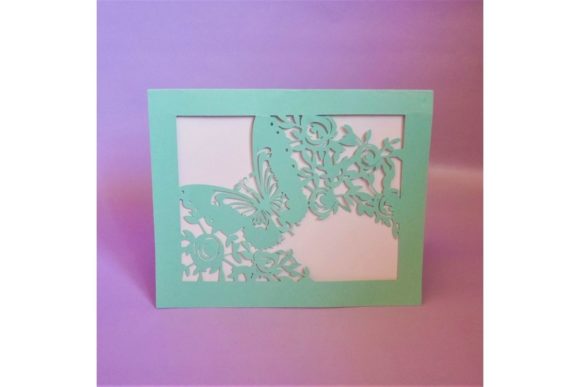
The true test of any design asset is its versatility in real-world applications. In my review for the skincare client, I envisioned using these templates not just as background elements, but as structural components of the packaging design. The Papillon Card Templates excel when applied to hang tags and thank-you cards. Because they are designed as 3D SVG files, they allow for precise cutting and layering, which is essential for creating tactile experiences. Imagine a soap bar wrapped in simple kraft paper, secured by a belly band featuring a cut-out papillon shape. This small addition transforms a basic commodity into a giftable luxury item.
Beyond physical goods, these templates offer significant value for social media graphics and marketing visuals. Local business owners often struggle to create consistent content that stands out in a crowded feed. By incorporating these distinct shapes into Instagram stories, Facebook ads, or website banners, a brand can establish immediate recognition. The organic curves of the design work beautifully alongside both serif and script fonts, allowing for flexible editorial design within digital campaigns. For a coffee shop launching a seasonal latte, these shapes could frame the menu graphic or decorate the promotional flyer, adding a layer of professional polish that generic Canva template elements often lack.
Strategic Application for Stronger Customer Trust
When we discuss small business branding, the ultimate goal is often to build trust. Customers associate high-quality packaging with high-quality products. The Papillon Card Templates support this psychological connection by providing a "finished" look that suggests the business is established and reliable. Using these assets for product mockups prior to printing allows designers to preview how the brand will appear on the shelf. I found that when placed beside competitor packaging, the depth and intricacy of these Shapes made the mockup look significantly more expensive to produce, thereby justifying a higher price point for the end consumer.
However, a seasoned designer knows that more is not always better. There are specific contexts where the Papillon Card Templates should be used with caution. For instance, in luxury minimalist brands where negative space is the primary design tool, these decorative elements might feel too busy. Similarly, on very small product labels where legal information and ingredient lists are dense, adding complex shapes can clutter the layout and reduce readability. It is crucial to maintain clear visual hierarchy; if the decoration competes with important text, such as allergy warnings or pricing, the asset becomes a liability rather than an asset. Furthermore, on low-contrast backgrounds, the fine details of the cut files may get lost, so testing against various brand colors is mandatory.
Practical Notes for Commercial Implementation
Before integrating any digital product into a client's workflow, technical due diligence is required. For the Papillon Card Templates, I recommend testing the files on real packaging mockups to ensure the scale works in physical form. While the files are marketed as easy to use with tools like Silhouette or Cricut, verifying the SVG design paths for smooth cutting is a necessary step to prevent machine errors during mass production. Designers should also preview the assets in black and white to ensure they retain their impact without color, which is vital for cost-effective single-color printing.
Typography pairing is another critical consideration. These shapes pair exceptionally well with handwritten fonts to enhance the handmade feel, but they can also ground bold display fonts for a modern contrast. When reviewing the PNG design versions for web use, check the transparency to ensure there are no halos around the edges that could look unprofessional on colored website backgrounds. Most importantly, always confirm the commercial license terms. Since this asset is intended for commercial design and physical product sales, ensuring you have the right to use it for client work and unlimited product runs is non-negotiable.
In conclusion, the Papillon Card Templates represent a versatile tool in the arsenal of a professional branding specialist. They bridge the gap between digital convenience and tangible craft, offering a solution for local businesses aiming to upgrade their presentation. Whether used for a seasonal campaign, a permanent logo accent, or a detailed printable design for packaging inserts, these assets provide the structural beauty needed to make a local brand feel national. By applying them strategically and respecting their limitations, designers can create memorable experiences that foster loyalty and drive sales for small business owners.