Bracket Tie Box: A 3D SVG Shape for Branding
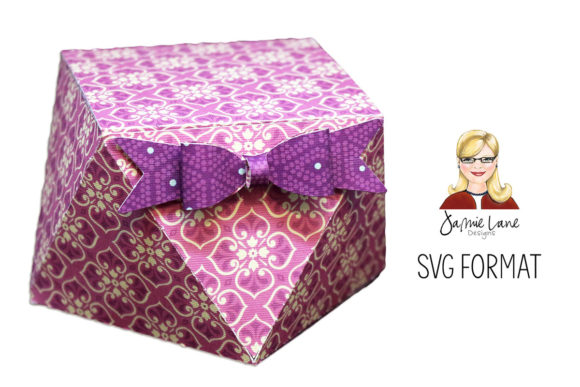
As a brand designer who spends most of my week refining visual identities for local businesses, I am always on the hunt for graphic design assets that offer more than just decoration. When I first opened the files for the Bracket Tie Box, my immediate impression was one of structured elegance mixed with a touch of playful utility. This isn't just a generic container; it is a deliberate Shapes element that suggests a brand personality which is organized yet approachable. For a local business owner, whether running a boutique bakery or a handmade soap studio, the mood this asset creates is instantly recognizable: it feels curated, thoughtful, and ready for the shelf.
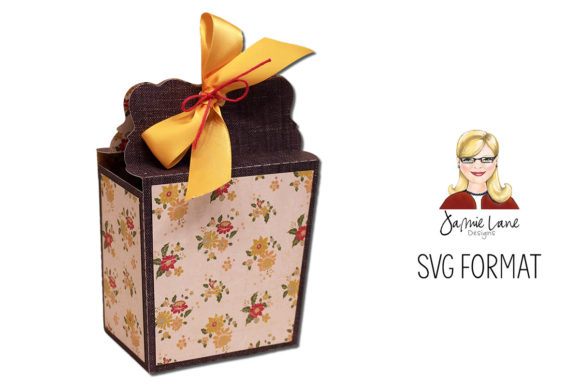
In the world of small business branding, packaging is often the first physical touchpoint a customer has with a product. The Bracket Tie Box excels here because it transforms a simple transaction into an experience. Imagine a local coffee roaster launching a limited-edition blend. Using this 3D SVG template, they can create a custom box that holds sample bags or single-serve pods. The bracket ties add a layer of sophistication that standard off-the-shelf boxes lack, signaling to the consumer that the contents are premium. It strikes a balance between modern design and a handmade feel, making it perfect for handmade business owners who need their products to look professional without losing their artisanal charm.
Elevating Product Presentation and Visual Hierarchy
The true value of a digital product like this lies in its versatility across various marketing channels. Beyond physical packaging, the Bracket Tie Box serves as a powerful tool for product mockup creation. Before committing to a large print run, a designer can use the vector file to generate realistic product mockups for client presentations or social media teasers. This allows for testing different colorways and textures to ensure the brand identity remains consistent.
For marketing visuals, this asset supports stronger first impressions. When used in social media graphics or website banners, the distinct shape of the bracket tie draws the eye, creating a clear visual hierarchy. It acts as a hero graphic that frames the product information effectively. For instance, a florist could use a rendered version of this box in an Instagram story to announce a new gift set, using the unique silhouette to stop the scroll. It improves customer trust by presenting a polished, cohesive look that suggests the business pays attention to detail.
This SVG cutting template is particularly effective for seasonal campaign visuals. Because the file is sized to fit standard cutting mats (like the 8x12 mentioned in the specs), it is incredibly practical for producing party favors or holiday gifts in bulk. A children's product brand could utilize this for birthday party kits, where the box itself becomes part of the fun. The dimensions—creating a box roughly 3 inches at the smallest width by roughly 1.75 by 5 inches—are ideal for small treats, jewelry, or cosmetic samples, ensuring the package feels substantial without being wasteful.
Strategic Applications in Local Business Design
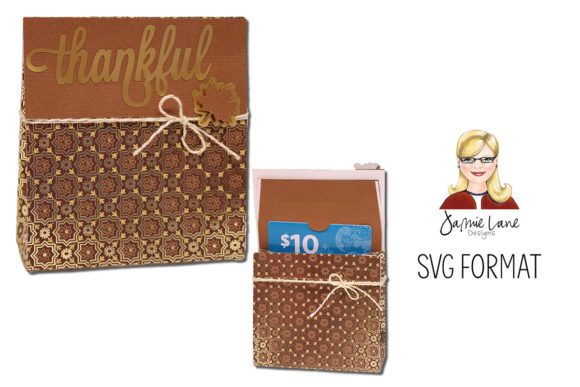
When integrating the Bracket Tie Box into a broader commercial design strategy, it works best as a packaging accent or a decorative brand element. It shines in scenarios where the unboxing experience is critical. Think of a skincare brand including a thank-you card inside this specific box structure; the act of opening the bracket ties adds a tactile moment of delight. It is also excellent for printable inserts, hang tags, and even as a motif on larger shipping boxes to reinforce professional branding.
However, every design asset has its limits, and knowing where to use the Bracket Tie Box carefully is just as important as knowing where to embrace it. This specific shape might compete with important text if used on very small labels or crowded product packaging. For luxury minimalist brands that rely on vast amounts of negative space, the bracket details might feel too busy unless scaled down significantly. Furthermore, it should be avoided in areas dedicated to legal information or ingredient-heavy layouts, where clarity and legibility are paramount. If the background is low-contrast, the intricate lines of the bracket ties could get lost, diminishing the impact of the illustration.
Practical Notes for the Professional Designer
Before rolling this out for a client, there are several practical steps I recommend. First, always test the SVG design on real packaging mockups to see how the folds and ties behave in a 3D space. Check its usage in black and white to ensure the shape holds up without color reliance, which is crucial for cost-effective printing. Preview the asset on small labels to confirm that the "bracket" details don't blur or disappear at reduced sizes.
Color theory plays a massive role here. Test the box with your specific brand colors; a soft pastel might convey a feminine, gentle vibe suitable for a candle brand, while a bold, high-contrast palette could make it pop for a tech accessory startup. Compare the final look with competitor packaging to ensure you aren't inadvertently mimicking a rival's style. If you are working with a Canva template or other design assets, inspect the PNG design transparency to ensure it layers correctly over textured backgrounds.
Typography pairing is another critical consideration. The geometric nature of the bracket ties pairs beautifully with clean sans serif fonts for a modern look, but it can also create an interesting contrast with a flowing script font for a more organic, boutique feel. Always review the commercial licensing before using this for client work or physical product sales to ensure you have the right commercial license for mass production. Finally, remember that while this is a fantastic tool for editorial design and web design elements, its primary strength remains in tangible packaging design and product label enhancement.
In conclusion, the Bracket Tie Box is more than just a file; it is a strategic component for enhancing local business appeal. By understanding its mood, limitations, and potential applications, designers and business owners can leverage this clipart and structural element to build stronger emotional connections with their customers, turning simple products into memorable brand experiences.