Soccer Ball Stitches SVG: A Designer's Field Test
As someone who spends more time staring at stitch maps than actual games, I approach every new machine embroidery design with a mix of curiosity and skepticism. When I first pulled the Soccer Ball Stitches SVG from my download folder, I wasn't just looking for a graphic; I was looking for a solution. I had a client order coming up—a batch of custom tote bags for a local youth soccer league—and I needed a motif that felt energetic without being overly childish. This file promised to deliver that balance, but in our line of work, promises mean nothing until the needle hits the fabric.
First Impressions and Visual Personality
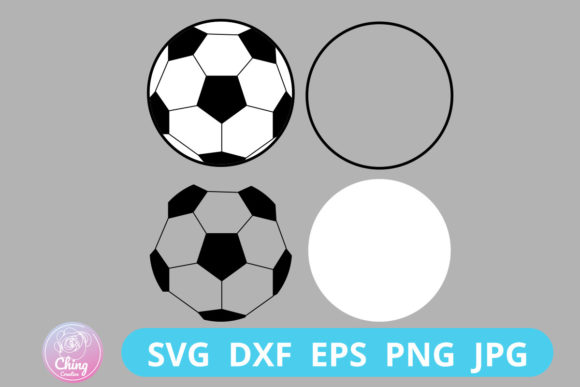
Opening the ZIP file, I was immediately pleased to see a well-organized collection of assets. Beyond the standard embroidery file formats like DXF and EPS, having multiple SVG variations gives us flexibility if we need to tweak the vector path before digitizing or using it for hybrid projects. The design itself carries a distinct "handmade" mood. It doesn't try to mimic a photorealistic photograph of a ball; instead, it leans into the texture of thread. The lines suggest movement, capturing the spirit of Sports without feeling static.
The layout is clean, which is crucial. Too many designers clutter these types of icons with unnecessary details that turn into thread nests under high-speed stitching. This 3D SVG style creates an illusion of depth through line weight and spacing rather than dense fill areas. For a project like a tote bag, where durability is key, this open, airy structure is often superior to a solid block of satin stitch that might crack or pucker after a few washes.
Real-World Application: The Tote Bag Test
To truly evaluate the Soccer Ball Stitches SVG, I decided to run a test on a heavy canvas tote, similar to what my client requested. Canvas is unforgiving; if your stitch density is off or your stabilizer choice is weak, the fabric will distort immediately. I hooped a medium-weight cutaway stabilizer, knowing that the structural integrity of the bag mattered more than softness against the skin.
The stitching process revealed the design's true character. The curves of the ball panels flowed surprisingly well. In many digital files, circular motifs end up looking jagged or faceted because the vector points aren't optimized for thread. Here, the transition between the black outlining and the white fill areas was crisp. It created a professional finished product that looked like it belonged in a boutique shop rather than a quick craft fair setup.
I could easily envision this design expanding beyond totes. It would make an excellent sweatshirt embroidery element for a team uniform, sitting proudly on the chest or sleeve. For baby embroidery, perhaps on a onesie or a nursery pillow cover, the softer interpretation of the ball works well, provided you scale it down appropriately. The versatility extends to holiday embroidery too; imagine this stitched onto a stocking for a young athlete or as part of a larger collage on a quilt.
Navigating Fabric Challenges and Hoop Constraints
However, no design is perfect for every scenario, and honest reviews require pointing out where caution is needed. While the Soccer Ball Stitches SVG performs beautifully on stable fabrics like cotton twill, denim, or canvas, I would hesitate to use it on highly stretchy knits without significant stabilization. The geometric nature of the ball means that any fabric distortion will be immediately visible as misaligned panels.
If you are planning to use this on a cap, pay close attention to the curvature. Caps are notorious for causing registration issues in the center of designs. Since this file acts as a digital embroidery file source, you may need to adjust your pull compensation settings depending on your specific machine software. Additionally, if you are working with a small hoop size, ensure you check the dimensions of the largest SVG file included. You don't want to start a job only to realize the design exceeds your hoop's travel area.
Dark fabrics present another consideration. The design relies on contrast. If you are stitching this onto a navy or black garment, you will need to modify the thread colors or add a backing layer to ensure the details pop. A printable mockup is essential here; I always recommend testing your color palette digitally before threading the machine. Seeing how the thread colors interact with the fabric texture can save you from unraveling hours of work.
Enhancing Brand Value and Customer Trust
For Etsy sellers and owners of small shops, the quality of your design assets directly impacts your brand consistency. Using a high-quality file like the Soccer Ball Stitches SVG signals professionalism. Customers might not know the difference between a running stitch and a satin stitch, but they recognize quality when they see it. A clean, well-executed embroidered patch or apparel item builds trust and encourages repeat business.
This design also serves as a strong foundation for commercial embroidery projects. Whether you are creating merchandise for a local club or selling personalized gifts, the visual appeal of this file helps your products stand out in crowded marketplaces. It avoids the generic clip-art look that plagues so many online listings, offering instead a unique aesthetic that feels curated and thoughtful.
Practical Notes for the Working Designer
Before you commit this design to a client's garment, here are a few practical steps I always take:
- Test on Scrap First: Always stitch a sample on the exact fabric you intend to use. This confirms your tension and stabilizer choices.
- Check Licensing: While this is a digital download intended for creation, always verify the specific license terms regarding resale of the digital file versus the physical handmade product.
- Review File Formats: The package includes JPG and PNG files, which are great for design assets like marketing materials or website previews, but ensure you are using the vector SVG or embroidery-specific formats for the actual stitching.
- Inspect Small Details: Zoom in on the vector paths. Look for any stray nodes or overlapping lines that could cause thread breaks.
- Consider Washability: If the final item is a towel or frequent-wear apparel, consider reinforcing the edges or using a water-soluble topper to protect the stitches during the first few washes.
In conclusion, the Soccer Ball Stitches SVG is a robust tool for the modern maker. It bridges the gap between digital precision and the tactile warmth of handmade goods. By understanding its strengths in stable fabrics and respecting its limitations on stretchy or dark materials, you can leverage this design to create stunning custom apparel, memorable gifts, and profitable inventory for your craft business. It is a reminder that the best designs are those that respect the medium of thread while delivering a clear, compelling visual message.