Sarah Giant Paper Flower Templates: A Designer's Review
As a designer who spends most of my life staring at digitized files and thread charts, I approach new assets with a healthy dose of skepticism. We have all downloaded a digital embroidery file that looked stunning on the screen but turned into a bird's nest on the fabric. So, when I first encountered the Sarah Giant Paper Flower Templates, my initial reaction was to pause. The product description highlights printable PDFs and SVG cut files intended for paper crafting, yet my mind immediately went to textile application. Could these bold, organic shapes translate effectively into a machine embroidery design for a custom apparel line? This review breaks down that potential from the perspective of a professional looking to create high-value handmade products.
The Visual Impact and Design Personality
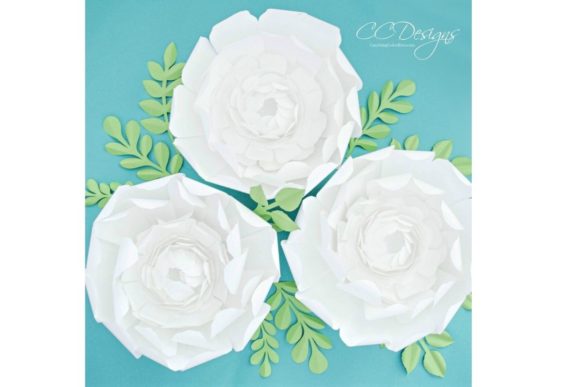
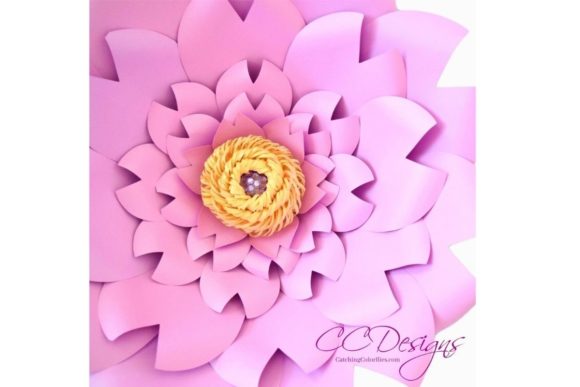
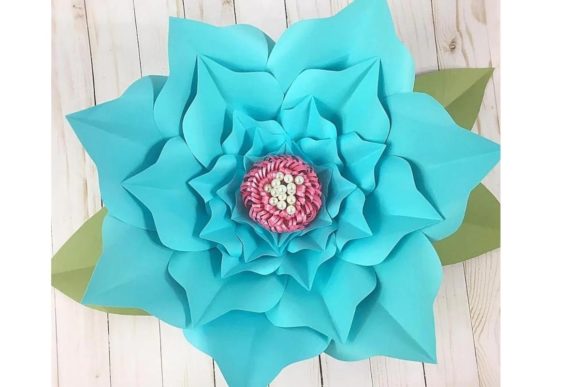
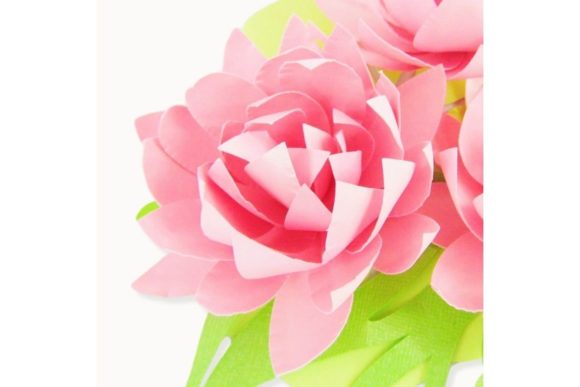
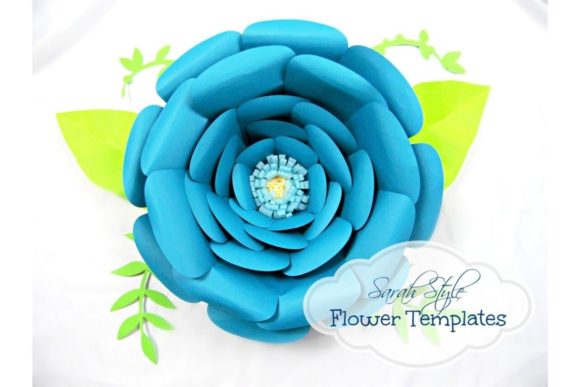
The first thing that strikes you about the Sarah Giant Paper Flower Templates is the sheer scale and confidence of the silhouette. Described as an "XL Sarah Style," this isn't a timid, dainty floral; it is a statement piece. In the world of Paper Flowers, this style relies on layered petals to create depth without needing complex shading. For an embroiderer, this translates beautifully into an applique design workflow. The shapes are clean, with sweeping curves that suggest movement. There is a modern, boutique mood here that feels less like a traditional garden and more like contemporary wall art or high-end branding.
When evaluating the layout, the inclusion of a leaf adds a necessary counterbalance to the bloom. In a real-world embroidery project, this allows for dynamic composition. You aren't stuck with a static circle; you can rotate the leaf to guide the eye across a garment or home decor item. The visual personality is bold and graphic, which means it demands attention. It is not a background element; it is the hero of the show.
Real-World Application: The Boutique Tote Scenario
To truly test the viability of these templates for textile use, I envisioned a specific client request: a series of heavy-canvas tote bags for a local flower shop's spring market. The client wanted something that screamed "handmade" but looked polished enough for a boutique price point. Using the Sarah Giant Paper Flower Templates as a guide for an appliqué approach makes perfect sense here.
Imagine cutting the petal shapes from a textured linen or a vibrant cotton using the provided SVG files, then securing them onto the tote bag canvas. Because the original design is built for layering in paper, those same layers work exceptionally well with fabric. You can stack different shades of pink or coral to mimic the 3D effect of the paper original. Once the fabric pieces are tacked down, a tight satin stitch border would define the edges, giving the finished product a crisp, professional look. The result is a tote bag design that feels substantial and expensive, far exceeding the value of a standard printed logo.
This same logic applies to sweatshirt embroidery. On a heavyweight fleece, the large scale of the Sarah style prevents the design from getting lost in the fabric's texture. It becomes a focal point on the back of a jacket or the chest of a crewneck, ideal for a small shop product or a personalized gift. The bold lines hold up well even when viewed from a distance, which is crucial for craft fair displays where you need to grab a customer's attention quickly.
Navigating Fabric and Stitch Challenges
However, enthusiasm must be tempered with technical reality. While the Sarah Giant Paper Flower Templates offer fantastic shapes, translating them to embroidery requires careful planning regarding stitch density and fabric choice. If you attempt to fill these large areas entirely with fill stitch on a lightweight fabric, you risk puckering and distortion. The weight of the thread could pull the material out of shape, ruining the smooth curves that define the design.
This is where the advice to "test on scrap fabric first" becomes non-negotiable. For stretchy fabrics like jersey t-shirts or baby clothes, a full fill might be too heavy. Instead, consider using the templates to create an outline or a partial fill, perhaps combining a running stitch for delicate inner details with satin borders. When working on dark fabric, ensure your thread colors provide enough contrast; otherwise, the intricate layering of the petals might vanish into the background. Conversely, on light fabrics, a darker underlay or stabilizer might be needed to prevent the base material from peeking through the stitches.
Curved surfaces present another hurdle. Placing this large design on a cap is possible, but the curvature of the front panel could distort the lower petals. In such cases, scaling down the design or adjusting the placement to sit higher on the crown is advisable. Similarly, for items that require frequent washing, like kitchen towels or aprons, the density of the stitching must be balanced. Too dense, and the fabric becomes stiff and uncomfortable; too loose, and the edges may fray after a few cycles. A quality stabilizer is essential here to maintain the integrity of the handmade product over time.
Commercial Viability and Brand Consistency
For Etsy sellers and creative entrepreneurs, the visual appeal of the Sarah Giant Paper Flower Templates offers a strong foundation for brand consistency. The distinct style of the flower can become a recognizable signature for your shop. Whether you are selling custom apparel, nursery decor, or holiday gifts, using a consistent floral motif helps buyers identify your work instantly. The professional presentation of the final stitched item builds customer trust. When a buyer sees clean edges, thoughtful color choices, and a design that fits the product perfectly, they perceive higher value.
It is important to note the licensing aspect. Since the source material is described as printable PDFs and SVGs for paper crafting, you must verify the terms before selling embroidered items commercially. Some digital creators allow for unlimited physical sales, while others restrict the use of their design assets to personal projects only. Always confirm whether you can sell the finished product or if the license is limited to the digital file itself. This due diligence protects your craft business from potential legal issues down the road.
Final Designer Notes for Execution
Before committing to a production run, treat the Sarah Giant Paper Flower Templates as a blueprint rather than a direct stitch file. Create a printable mockup to visualize the scale on your intended garment. Check the hoop size requirements; given the "XL" nature of the design, you may need a large hoop or a multi-position setup. Inspect the small details, particularly where the leaf meets the stem or where petals overlap, to ensure your machine can navigate those tight corners without breaking threads.
Test the design in both black and white mockups to judge the contrast and form without the distraction of color. Compare how it looks against different fabric textures; a smooth satin will yield a different result than a rustic burlap. Ultimately, this design shines when treated with respect for its scale and structure. By adapting these paper-centric templates into thoughtful textile applications, you can create unique, high-quality items that stand out in a crowded market. The Sarah Giant Paper Flower Templates are not just for paper; with the right technical approach, they are a versatile tool for the modern embroiderer looking to expand their creative horizon.