Reviewing 3D SVG Mountain Art for Shadow Boxes
As a graphic designer who frequently bridges the gap between digital branding and physical product creation, I am always on the lookout for assets that offer versatility without sacrificing aesthetic integrity. Recently, while developing a visual identity for a boutique outdoor gear startup, I evaluated the Wall Art 3D for Cutting, Layer Mountain SVG. My goal was to determine if this asset could serve as more than just a decorative element; I needed to know if it could anchor a cohesive brand narrative across various touchpoints, from packaging to social media.
First Impressions and Visual Mood
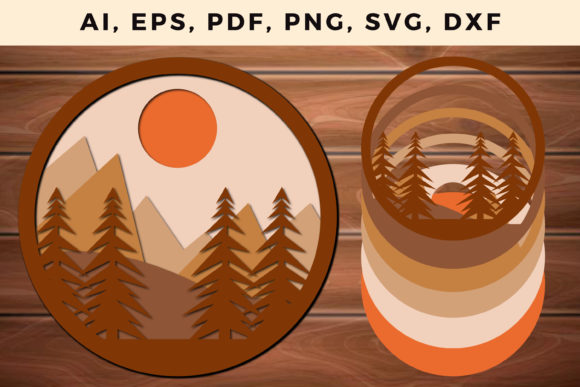
Upon opening the files, the immediate impression is one of depth and organic structure. The design captures the rugged elegance of mountain ranges through a layered approach that is essential for creating dimension. This isn't just a flat silhouette; it is a graphic design asset built with spatial awareness in mind. The mood it evokes is serene yet adventurous, making it an ideal fit for brands rooted in nature, travel, wellness, or handmade craftsmanship.
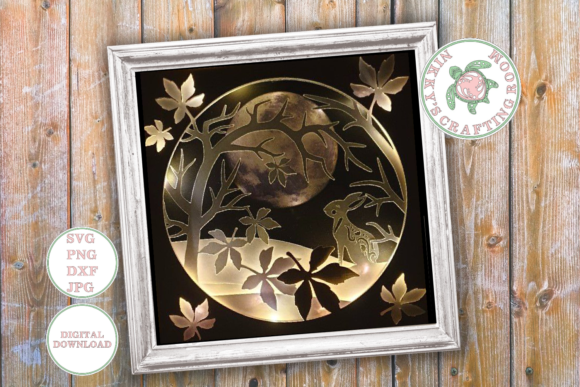
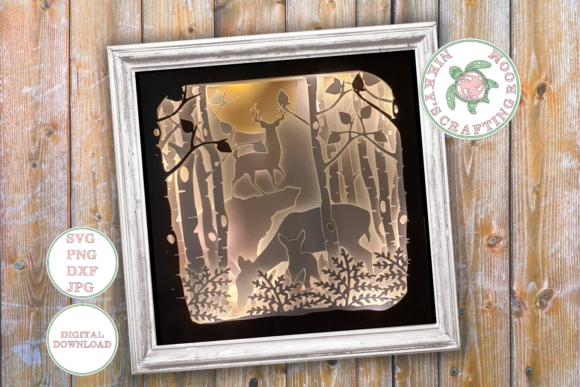
For a client looking to establish a connection with an audience that values exploration and authenticity, this style works beautifully. It avoids the overly cartoonish trends often seen in clipart, opting instead for a cleaner, more modern design aesthetic. When considering Shadow Boxes, the separation of layers in the file suggests a thoughtful preparation for physical assembly, which saves significant time during the prototyping phase.
Integrating into Real Client Projects
In the context of a real-world project, versatility is king. I tested how this 3D SVG performed across several deliverables required for the client's launch. For logo design and brand identity, the clean lines allowed me to simplify the outermost layer into a recognizable mark. While the full multi-layer effect is too complex for a favicon, it shines in packaging design. Imagine a kraft paper box for hiking snacks or artisanal coffee; applying these layers as a debossed or foil-stamped detail adds a tactile premium feel that elevates the unboxing experience.
Beyond physical goods, the asset translates well to digital spaces. I utilized the layers to create dynamic social media graphics for Instagram and Pinterest. By animating the layers slightly or using them as static background elements with varying opacity, the design adds depth to marketing visuals without overwhelming the copy. It also serves as a strong hero graphic for web design, particularly for landing pages focused on seasonal campaigns or local events.
For those operating in the creative marketplace or running an Etsy product line, this file is a goldmine. It functions perfectly as a Cricut project for customers who want to create their own home decor. The potential for print-on-demand applications is equally high, working effectively on tote bags, mugs, and t-shirt designs where the layered look can be simulated through color blocking or sublimation techniques.
Strategic Placement and Limitations
Understanding where to deploy this asset is crucial for maintaining visual hierarchy. The Wall Art 3D for Cutting, Layer Mountain SVG excels in large layout areas and as a focal point in product mockups. It acts as a powerful decorative accent in themed collections, drawing the eye immediately. However, caution is required when scaling down. In small sizes, such as on a business card or a crowded footer, the intricate details of the inner layers may merge, causing a loss of definition.
I would advise against using the full complexity of this design in minimalist corporate materials where a very clean visual hierarchy is paramount. Similarly, placing it over complex backgrounds or low-contrast color schemes can muddy the result. For professional corporate materials, it is often better to use a single simplified layer as a watermark or texture rather than the full stacked composition.
Impact on Brand Perception and Engagement
The emotional appeal of mountain imagery is universal, often triggering feelings of stability, grandeur, and freedom. Incorporating this illustration into a brand's toolkit can significantly boost audience engagement. It signals that the brand values quality and attention to detail. When executed correctly, it enhances brand consistency by providing a recurring visual motif that customers begin to associate with the company's values.
However, readability remains a primary concern. If text is overlaid directly onto the densest parts of the mountain layers, legibility suffers. Designers must ensure sufficient contrast, perhaps by placing typography in the negative space of the sky or using a solid backing shape. The overall impression of the project becomes more polished and "crafted," which builds visual trust with the consumer.
Practical Designer Notes and Technical Checks
Before finalizing any client work with this asset, I follow a strict checklist to ensure commercial viability and technical perfection:
- Test in Black and White: Always preview the design in grayscale to ensure the layers distinguish themselves without relying on color cues.
- Contrast Checks: Verify visibility on both light and dark backgrounds to guarantee accessibility.
- Scale Testing: Preview the file at thumbnail size and large format to identify where details break down.
- Mockup Integration: Place the SVG on real product mockups to see how shadows and lighting interact with the perceived depth.
- File Inspection: Review the SVG code for cleanliness. Ensure there are no stray points or open paths that could cause issues with cutting machines or vector editing software.
- Format Verification: If PNGs are included, check the transparency edges for halos or pixelation.
- Typography Pairing: Experiment with pairing the organic shapes of the mountains against structured sans serif fonts for contrast, or handwritten fonts for a more rustic, handmade business vibe.
- Licensing Confirmation: Always confirm the commercial license terms before using the asset for a client or a digital product intended for resale.
Final Verdict for Creative Professionals
The Wall Art 3D for Cutting, Layer Mountain SVG is a robust addition to any designer's library. It transcends the typical limitations of stock clipart by offering a structural foundation that supports both digital and physical applications. Whether you are crafting a Canva template for travel bloggers, designing a sticker design series, or building a comprehensive design bundle for a niche market, this asset provides the necessary flexibility.
For small business branding, especially in the outdoor and lifestyle sectors, this tool offers a shortcut to high-end aesthetics. It allows creators to focus on strategy and storytelling while relying on a pre-built visual element that already speaks the language of adventure. As the industry continues to value tactile and immersive experiences, assets that facilitate Shadow Boxes and layered compositions will remain highly relevant. By understanding its strengths and respecting its limitations, designers can leverage this SVG design to create compelling, memorable work that resonates with audiences across all platforms.