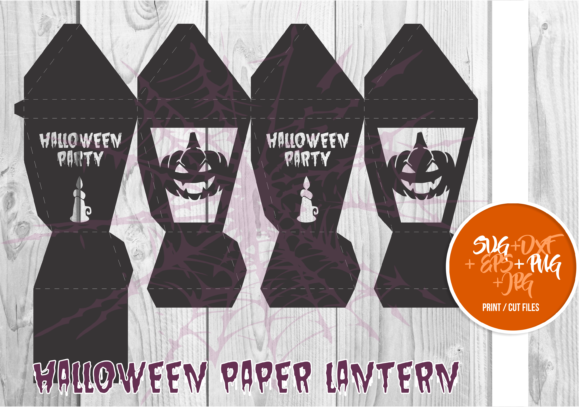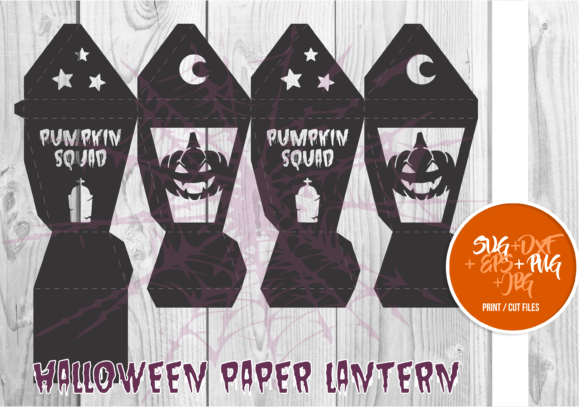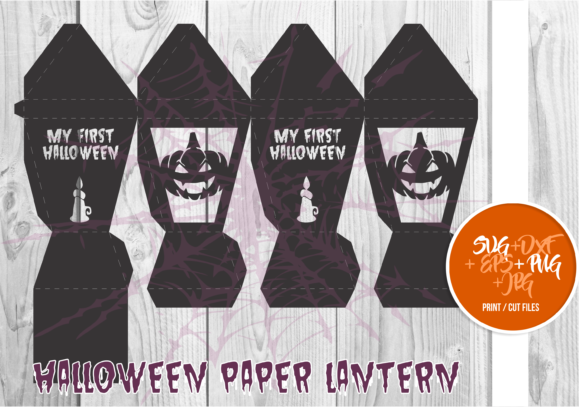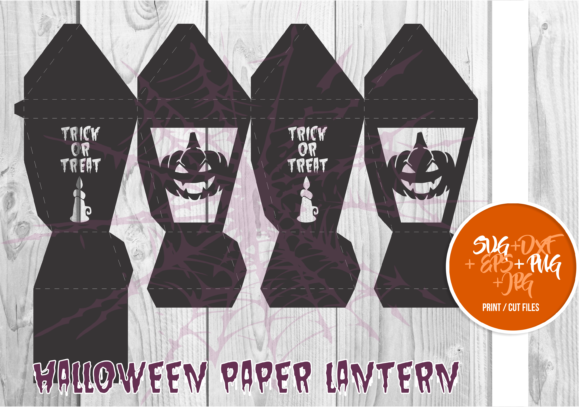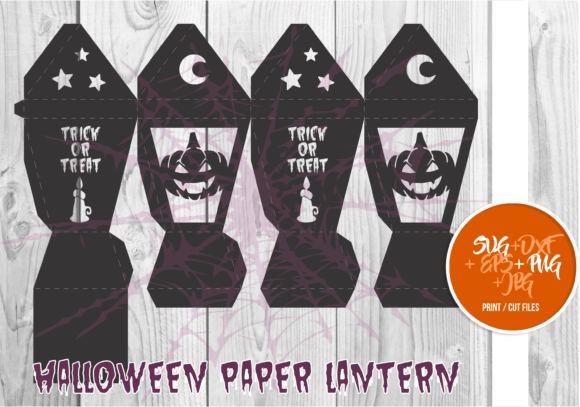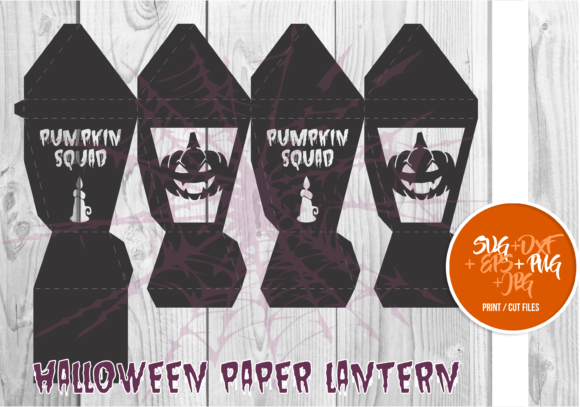
Halloween Paper Lantern Series a 0039 Review
As a designer who spends more time staring at stitch maps than most people spend looking at actual art, I approach every new machine embroidery design with a mix of excitement and skepticism. We have all been there: you download a file that looks stunning on the screen, only to find it turns into a bird's nest of thread once it hits the fabric. Today, I am taking a close look at the Halloween Paper Lantern Series a 0039. This isn't just a quick glance at a thumbnail; this is an evaluation of how this specific asset holds up when you are trying to build a reputable craft business or create a memorable handmade product for a client.
The first thing that strikes me about this design is its atmospheric potential. Halloween decor often leans heavily into the grotesque or the overly cartoonish, but this lantern brings a softer, more nostalgic mood to the table. It feels like something you would see glowing on a porch in a classic autumn film. The layout suggests a vertical orientation, which immediately makes me think of specific applications rather than a one-size-fits-all approach. For an Etsy seller or a boutique owner, having a design that evokes a specific feeling is half the battle won. It stops being just "spooky" and starts being "cozy spooky," which opens up a wider demographic for your small shop product lines.
Visualizing the Finished Product in Real Scenarios
Let's move past the theory and talk about where this actually works. I recently had a client request a series of limited-edition tote bags for a local harvest festival. They wanted something elegant, not scary. My mind went straight to the Halloween Paper Lantern Series a 0039. Because the design mimics the structure of a paper lantern, it translates beautifully onto a canvas tote bag design. The vertical lines of the lantern structure provide a natural rhythm that complements the rectangular shape of a bag panel.
However, we need to talk about the medium. The product description notes that this is a 3D SVG intended for paper crafting, fitting an 8.5″ x 11.7″ sheet. As an embroidery professional, this raises a critical flag. You cannot simply take a vector cut file and run it through your embroidery machine without significant adaptation. If you are using this as a reference for creating a custom embroidery file, the clean lines and geometric segmentation of the lantern are excellent guides for defining color blocks. If you are purchasing this specifically as a stitched design, you must ensure the provider has converted these sharp paper-fold lines into appropriate stitch types.
For a sweatshirt embroidery project, this design could shine if scaled correctly. Imagine a muted orange or deep purple hoodie with this lantern stitched in a contrasting cream or gold thread on the left chest or centered on the back. The simplicity of the shape works well here. It avoids the "busy" look that often plagues holiday apparel. For baby embroidery, perhaps on a onesie or a nursery pillow cover, the soft curves and lack of aggressive imagery make it a safe, charming choice. Parents often want holiday spirit without the nightmares, and this design delivers that balance.
Navigating Fabric Textures and Stitch Density
Here is where the experienced eye needs to be sharp. When adapting a design from the Shapes category that relies on crisp folds (like a paper lantern) into thread, stitch density becomes your best friend and your worst enemy. If the digitizer has made the fill areas too dense, the fabric will pucker, especially on stretchy materials like jersey knits used for t-shirts. On the other hand, if the density is too light, the fabric texture will show through, ruining the illusion of a solid, glowing lantern.
I always advise testing on scrap fabric first. If you are stitching this onto a textured linen for a kitchen towel or an apron, you need to verify that the running stitch outlines are thick enough to stand out against the weave. Dark fabrics present another challenge. If you are stitching this lantern onto black fabric, the outer edges need a strong border, perhaps a satin stitch column, to prevent the design from getting lost in the background. Without proper contrast in your thread colors, the subtle details of the lantern's panels might vanish.
Furthermore, consider the hoop size. While the original paper template fits a standard letter sheet, embroidery hoops are restrictive. If you are working on a cap, the curved surface makes large, flat designs difficult to execute without distortion. This lantern design, with its vertical emphasis, might work on a cap if scaled down significantly, but you risk losing the intricate details of the lantern's structure. In such cases, simplifying the design to its core silhouette is often wiser than forcing a complex digital embroidery file onto a small, curved canvas.
Commercial Viability and Brand Consistency
For those of us selling design assets or finished goods, consistency is key. Does the Halloween Paper Lantern Series a 0039 fit your brand? If your shop specializes in rustic, farmhouse-style decor, this design is a home run. It pairs exceptionally well with burlap, natural cotton, and earth tones. However, if your brand is built on neon, high-contrast, modern aesthetics, this might feel out of place unless you radically alter the color palette.
Customer trust is built on the quality of the finished product. A poorly stitched lantern that looks like a blob of thread will hurt your reputation faster than anything else. Before listing this as a personalized gift option or adding it to your commercial embroidery catalog, inspect the small details. Are the corners sharp? Do the color changes make sense, or are there unnecessary jumps that add production time? For an embroidered patch, the border needs to be robust enough to withstand cutting and merrow edging.
It is also vital to address the licensing aspect. Since the source material mentions downloading a file for paper crafts, you must confirm the license terms before using it for commercial embroidery projects. Just because you can buy a file does not mean you have the right to sell shirts featuring that design. Always check if the license covers physical products versus printable mockups or digital resale. Protecting your craft business means respecting intellectual property and ensuring you have the legal right to monetize your labor.
Final Verdict for the Practical Maker
The Halloween Paper Lantern Series a 0039 offers a delightful aesthetic that bridges the gap between traditional paper crafts and textile art. Its strength lies in its versatility for home decor items like pillow covers and wall hangings, where the vertical format is an asset rather than a constraint. For apparel, it requires thoughtful scaling and careful selection of stabilizers to maintain its structural integrity.
If you are an appliqué design enthusiast, this pattern provides excellent opportunities for layering fabrics to create depth, mimicking the translucent nature of a real lantern. Use a sheer organza over a solid fill to achieve that glowing effect. Remember, the success of this project depends less on the file itself and more on your execution. Test your tension, choose your stabilizer wisely, and don't be afraid to tweak the thread chart to suit your specific fabric.
In the end, this design is a lovely addition to your holiday repertoire, provided you treat it with the technical respect it demands. It is not just a image; it is a blueprint for creating warmth and whimsy in a world that often takes Halloween too seriously. Whether you are making a single gift for a neighbor or stocking shelves for the holiday rush, let this lantern guide your needle with precision and creativity.